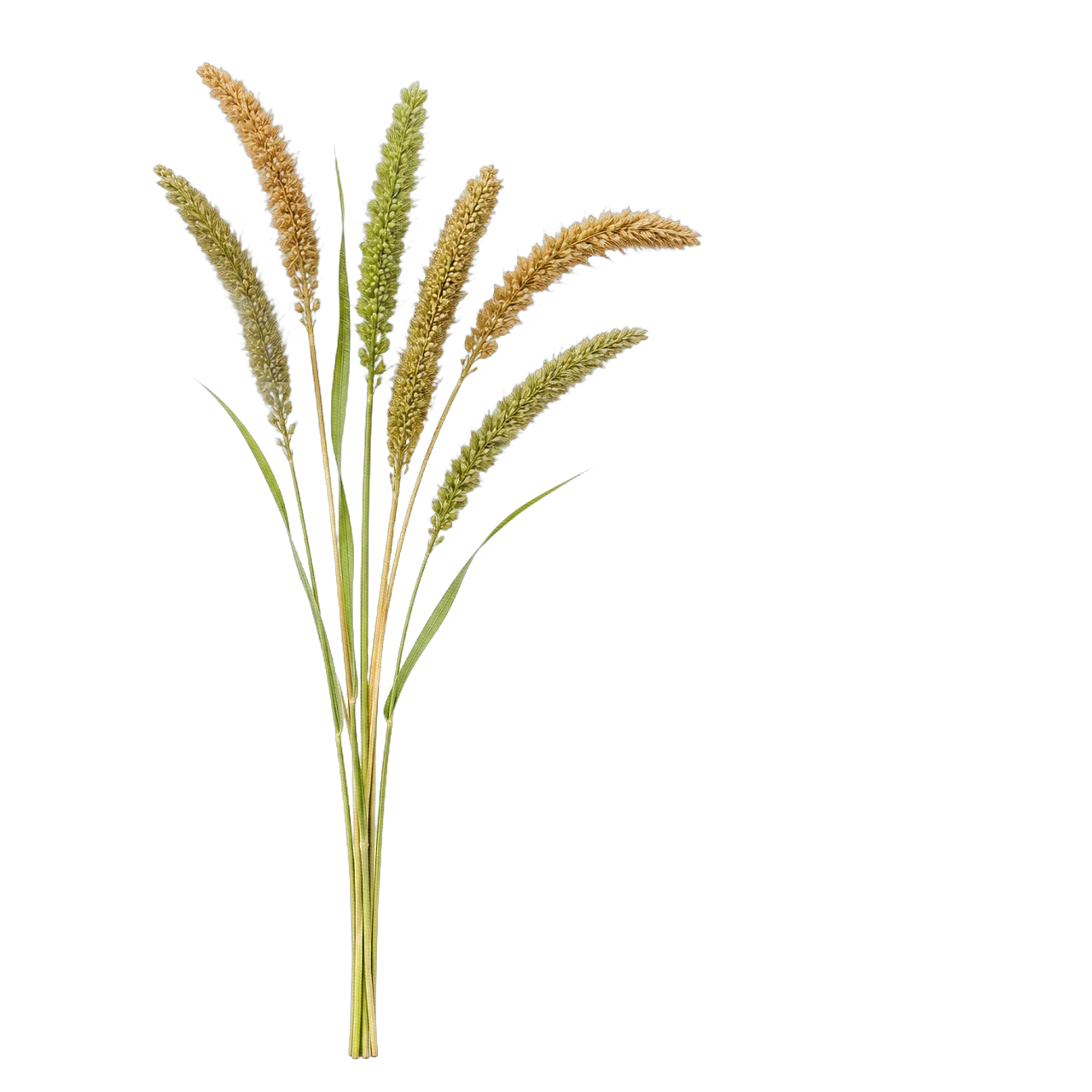
Foxtail Millet

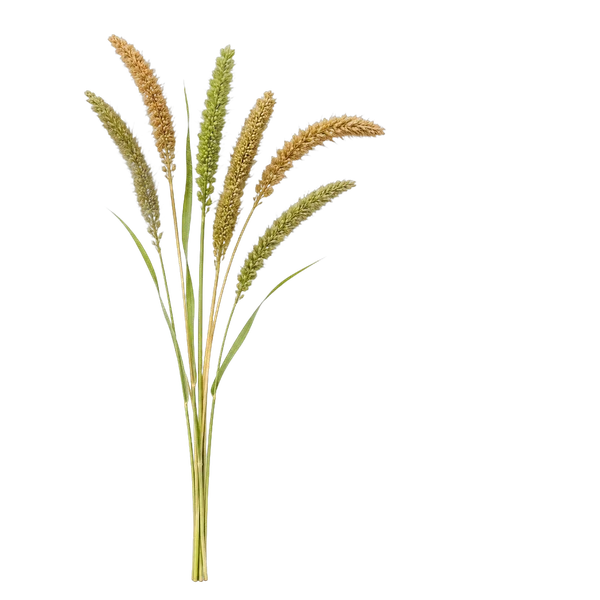
Setaria, foxtail millet, is a cultivated grass grown for its plump, nodding, bottlebrush seed heads that arch over on slender stems. Its soft, tactile foxtails read as playful and abundant, adding weight and a harvest feel to autumnal and boho designs. Heads range from fresh green through gold to bronze as they ripen, and they dry well while keeping their curved, drooping silhouette. Florists use it as a textural line-and-filler element that brings gentle movement to bouquets and installations.
| Family | Poaceae |
|---|---|
| Origin | East Asia (cultivated) |
| Peak season | August, September |
| Availability | August, September, October, November |
| Stem length | 40–80 cm |
| Vase life | 7–12 days |
| Colors | green, yellow, bronze, brown |
| Price tier | budget |
Cut on a slant and condition in deep cool water, stripping lower leaves. The nodding foxtail heads look best picked young and green; for drying, harvest before the seed fully ripens and hang in loose bunches upside down away from light so the plumes hold shape and shed less.
- •Cut on a slant and condition in deep water
- •Strip lower leaves
- •Pick young for the greenest heads
- •Keep out of direct sun
- •To dry, hang upside down away from light
- •Handle gently to limit shedding
1 named setaria cultivars from the Lacy Bird master catalogue — each a distinct commercial variety.
Entries marked ✦ come from the Acanta master catalogue — the shared database of cut flowers, forms, colours and named varieties that florists and studios build on. The rest are our editorial genus reference. What is Acanta →
 Bouquet Builder — by Lacy Bird
Design the bouquet. See it as a photo.
Botanical reference
- Common name
- Dwarf Setaria
- Also known as
- foxtail millet, green bristle grass, Italian millet, Alopecurus caudatus, Chaetochloa germanica, Chaetochloa italica, Chaetochloa italica germanica, Chaetochloa italica metzgeri, Chaetochloa italica praecox, Chamaeraphis italica, Chamaeraphis italica elobulata, Chamaeraphis italica germanica
- Distribution
- Caribbean, China North-Central, China Southeast, North America, South America
- Uses
- fodder, building material, medicinal plant, cereal, food
Open-data sources: GBIF, Wikidata (CC0/CC BY)
Frequently asked questions
When is Foxtail Millet in season?
Foxtail Millet peaks in August, September, and florists can usually source it August, September, October, November. Availability shifts by region and greenhouse supply.
How long does Foxtail Millet last in a vase?
Expect 7–12 days with proper conditioning — a clean vase, fresh water every couple of days, flower food, and a cool spot away from ripening fruit and direct heat.
What can I use instead of Foxtail Millet?
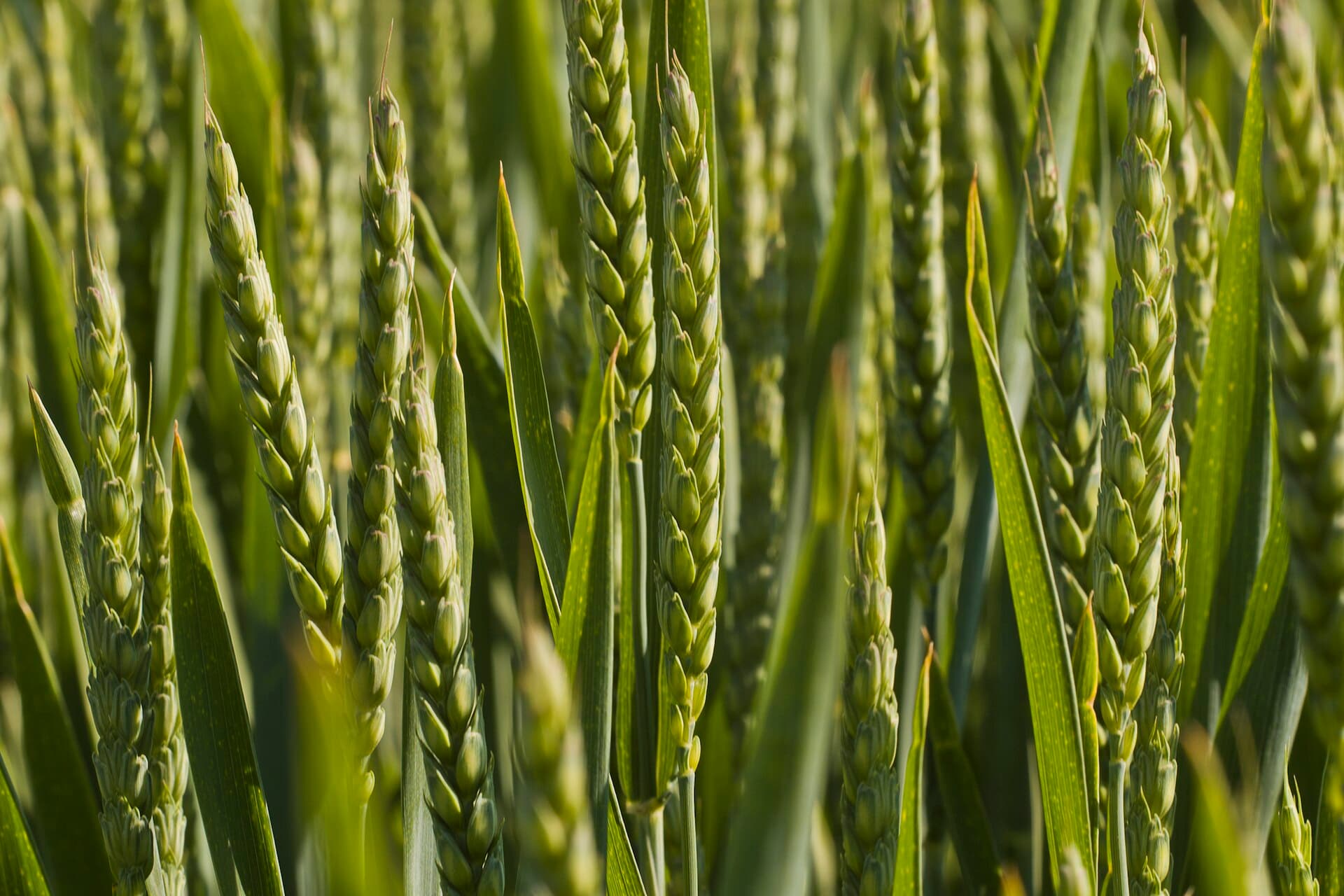
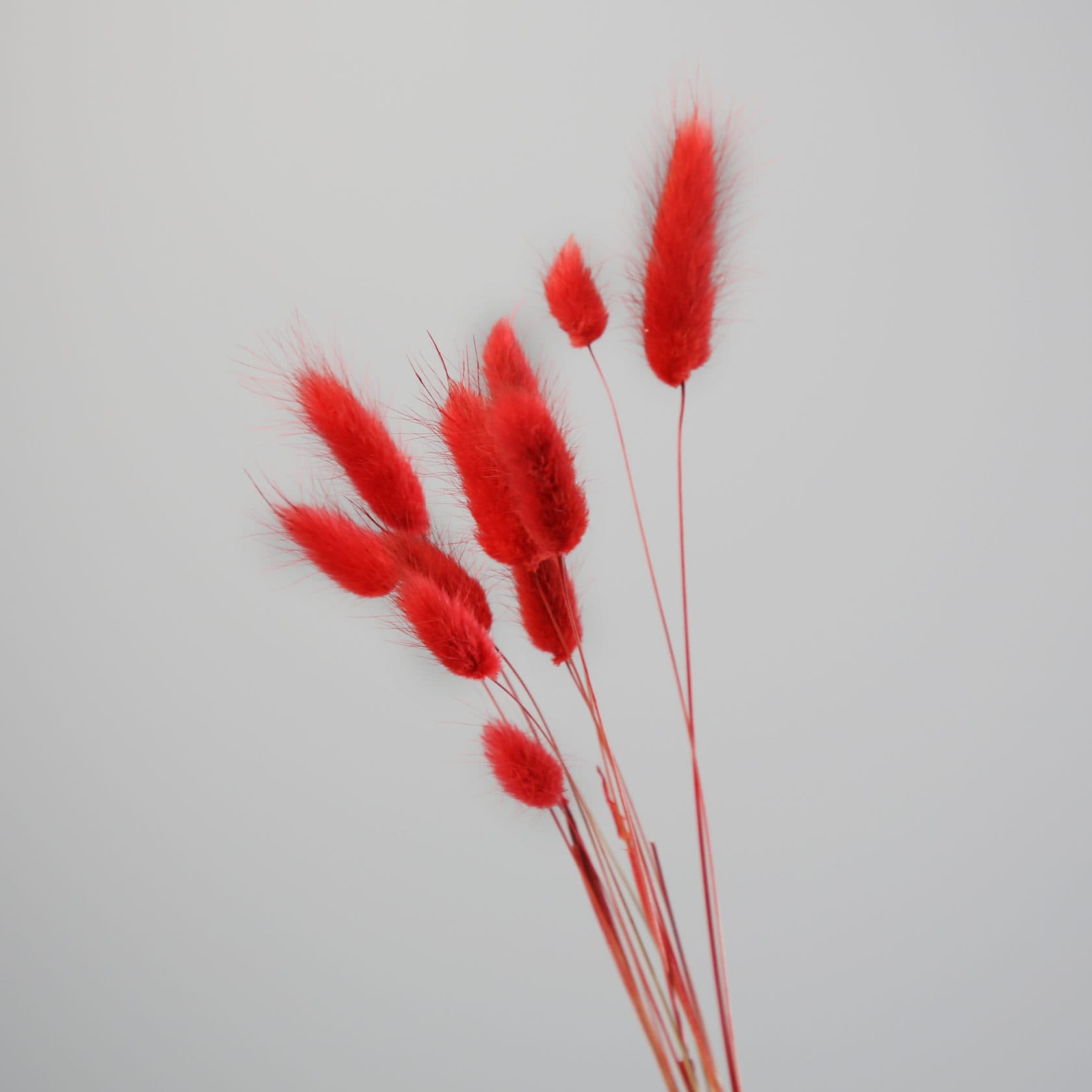
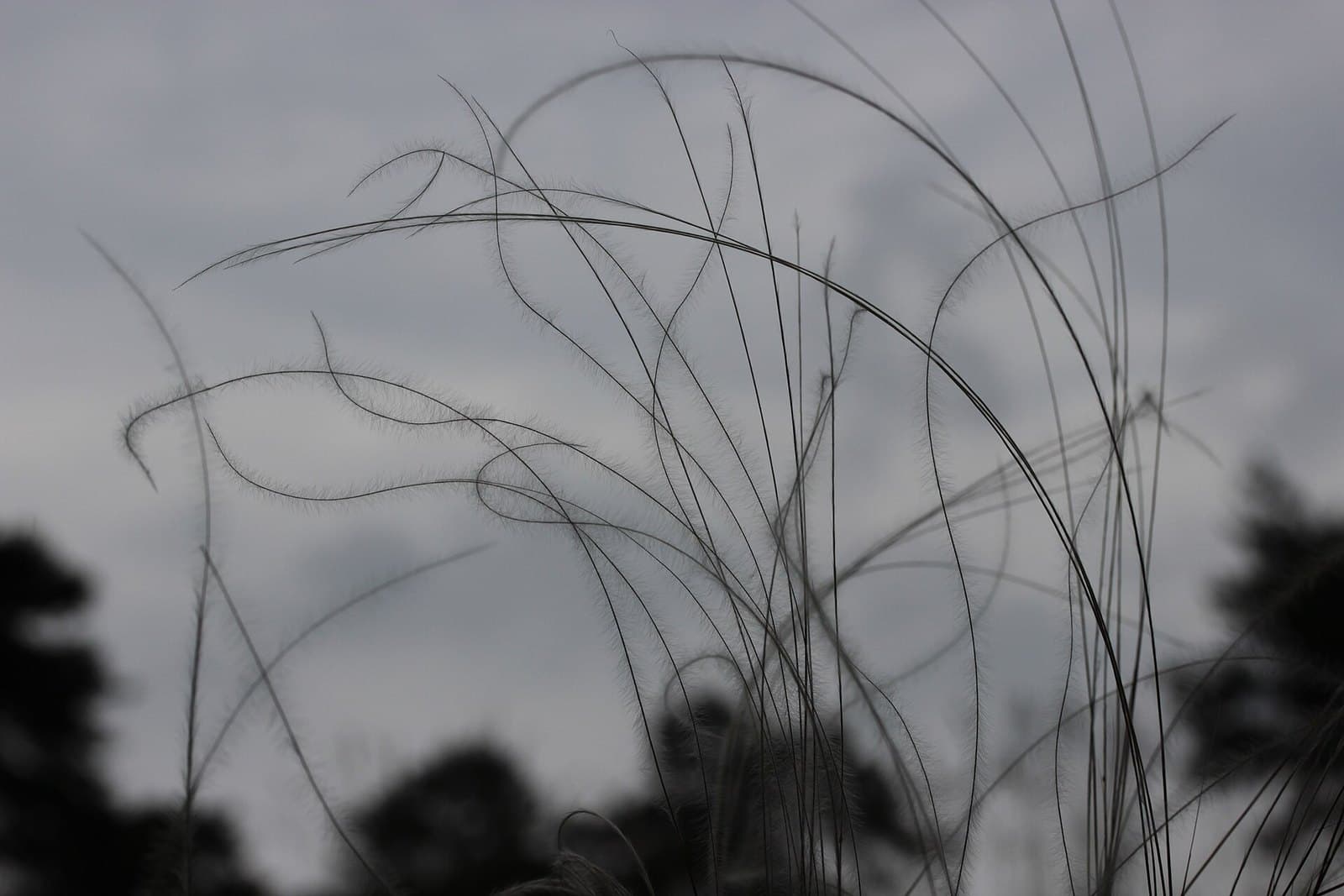
Good substitutes for Foxtail Millet include Wheat, Lagurus (bunny tail grass), Feather Grass. Match on look, colour and season — our substitute finder ranks the closest alternatives.
What does Foxtail Millet symbolise?
Foxtail Millet is associated with abundance, harvest, prosperity, nourishment.
How do you care for cut Foxtail Millet?
Cut on a slant and condition in deep water
Related flowers
Sources
- GBIF — Global Biodiversity Information Facility — Setaria italica, taxonomy, synonyms and native range (5289698)
- POWO — Plants of the World Online (Royal Botanic Gardens, Kew) — Setaria italica, accepted botanical name and distribution (IPNI 1207294-2)
- Wikidata — Setaria italica, identifiers and names in other languages (Q161211)
- Acanta master catalogue — vase life, seasonality and origin of commercial varieties (Lacy Bird studio data)
- Practical advice: working experience of the Lacy Bird studio (since 2012) and Lacy Bird Academy.
Free to quote and cite with attribution and a link back, for non-commercial and editorial use (blogs, journalism, classrooms, research).
Lacy Bird Flower Encyclopedia — “Foxtail Millet”. https://lacybird.com/flowers/setaria/<a href="https://lacybird.com/flowers/setaria/">Lacy Bird Flower Encyclopedia — Foxtail Millet</a>